
Keith Whyte @keith@tic-ac.org
Technology Coordinator / Rhizomatica.
Se unió el ago 2021
Keith Whyte
retooteado

We are in a very dangerous time, when "AI" security companies are competing to prove that their technology will provide returns on investment. The industry has always been broken. There has always been an incentive to inflate the importance of vulnerabilities, but there was always a risk of burning hard earned trust. In the end, a lot of folks decided it wasn't worth it.
But "AI" companies haven't worked to earn that trust. They have something to prove, right now, or they don't exist. So now everything is critical, "impossible to find without AI," and so on. Blah2shell sells, and now everyone wants their little vuln labeled that way regardless of the complexity or risk.
Burning trust in security is the absolute worst thing you can possibly do in terms of tech. I'm worried about where things are going right now.
There have always been more bugs than we can fix. We've had to triage. If we break that, we flood maintainers until they burn out. Our job is not to fix everything. It's to filter information for the people who do.
But right now I'm reading vuln reports that aren't distinguishing between a 100% reliable and trivial exploit like log4shell and complex memory corruption bugs that are incredibly noisy and basically impossible to exploit with ASLR. ASLR is like 25 years old. You have to do better than a simple buffer overflow now to get a shell.
But people have shit to sell, so we have more noise. Again, "we've put the attenuator on the wrong side of the equation."
Ha:
"Avoid state corruption via bailout"
- seriously? Is the innuendo felt so strongly by everyone I wonder, or do you need to be #Irish?
Maybe (humans using) #LLMs will destroy the internet before LLMs destroy humanity?
Maybe that's a good thing?
Maybe destroying the internet is what saves humanity?
Hay gente (y ONGs) que siguen usado redes sociales corporativos (si no es oxímoron) y
deben entender bien que son plataformas que apoyan con su continuo uso;
- La mención de derechos civiles, feminismo o reformas sociales (temas centrales en la obra de Woolf) suele ser clasificada como 'tema social' por nuestros sistemas automáticos”. Y estos “temas sociales” son los que activan su rechazo.
Keith Whyte
retooteado

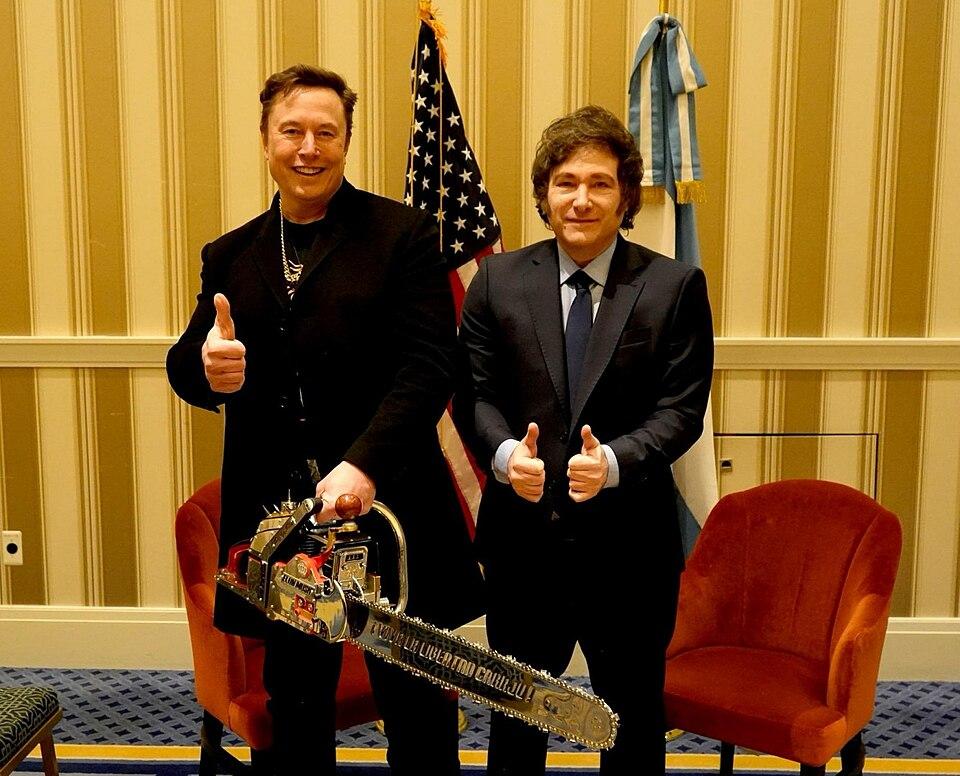
Analizamos el acuerdo entre el Gobierno Argentino y la empresa Starlink para dar internet a las Escuelas rurales y lo ponemos en contexto con el resto de países de la región para intentar responder esta pregunta: Starlink en las escuelas de América Latina: ¿caballo de Troya? Vos, ¿qué opinas?
https://radioslibres.net/starlink-y-las-escuelas-caballo-de-troya/
@silverwizard
People on the thread might get something from this talk:
@silverwizard
Hehe.. one thing about fediverse is you don't always see the entire thread on an instance, so one should always read the original page before replying! (Note to self.)
So, reticulum was already mentioned. Good.
And a few people talking about payment gateways and infra and DNS/CA. If commerce is a raison d'etre then harder to see the point in doing it, again.. why replicate?
I'd avoid #DNS like the plague in any new network. Somebody already had the terrible idea to start assignment of names on reticulum.
After reading the thread, just wanted to add that being aware that it is not only about the physical layer and the network stack is obviously important. (you point to this in the original post, I believe.)
Ultimately it comes down to having enough interest locally to have the so-callled "human resources" to make it work, and thrive. you might be able to do this with a capitalist model, but I doubt it. Not as long as the other internet exists anyway.
Technology Coordinator / Rhizomatica.
Se unió el ago 2021